The Production Journey of Leather Jackets

At Black Leather Jacket Era, every jacket we craft tells a story — one that begins long before a single stitch is made. From sourcing raw hides to the final quality check before shipment, our production process is built on precision, craftsmanship, and an uncompromising dedication to quality. Here’s an honest look at how our leather jackets are made.
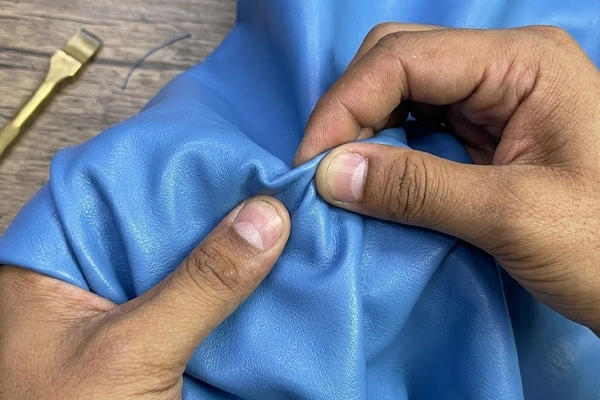
Choosing the right leather

Step 1: Sourcing the Right Leather

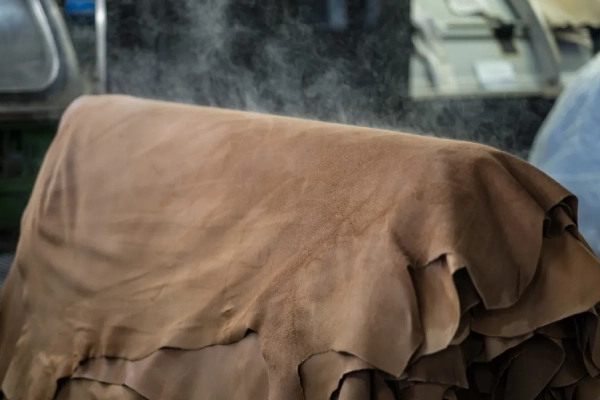
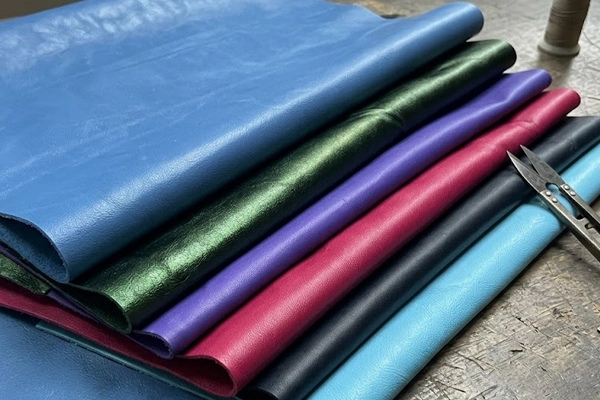
Not all leather is created equal, and we treat material selection as the foundation of everything we do. We source our hides primarily from cowhide, sheepskin, and lambskin — each chosen for its unique properties. Cowhide offers durability and structure, while sheepskin and lambskin deliver a naturally soft, supple feel that drapes beautifully.

We work exclusively with suppliers who meet our standards for ethical sourcing and consistent hide quality. Our team evaluates every batch of raw material against strict criteria before a single piece enters our workshop.

Step 2: Leather Quality Inspection

Before any hide moves forward in our production pipeline, it undergoes a rigorous multi-point inspection. Our quality team assesses each piece across several parameters including:

  • Thickness and weight uniformity — to ensure consistent structure throughout the jacket
  • Flexibility and softness — critical for wearability and long-term comfort
  • Surface integrity — checking for natural blemishes, scarring, or inconsistencies
  • Odor neutrality — only hides that pass our smell test move forward
  • Cut suitability — evaluating how the hide will behave once cut into panels

Only hides that pass every checkpoint are approved for production. Anything that falls short is returned or repurposed.

Checking the quality of Leather
Step 3_ Tanning and Treatment

Step 3: Tanning and Treatment

Tanning is one of the oldest and most important steps in leather production. It transforms raw animal hide into a stable, durable material that resists moisture, bacteria, and decay.

We use several tanning methods depending on the intended use and texture of the final product:

  • Vegetable tanning — a slow, natural process using plant-based tannins that produces firm, rich leather with excellent aging character
  • Chrome tanning — a faster modern process that yields softer, more uniform leather ideal for fashion-forward cuts
  • Combination tanning — blending both approaches to achieve a balance of structure and softness

Our tanning process works at the fiber level, altering the leather’s internal chemistry to prevent microbial growth and enhance longevity. The result is leather that not only looks great on day one — but gets better with wear over time.

Step 4: Cleaning and Finishing the Leather

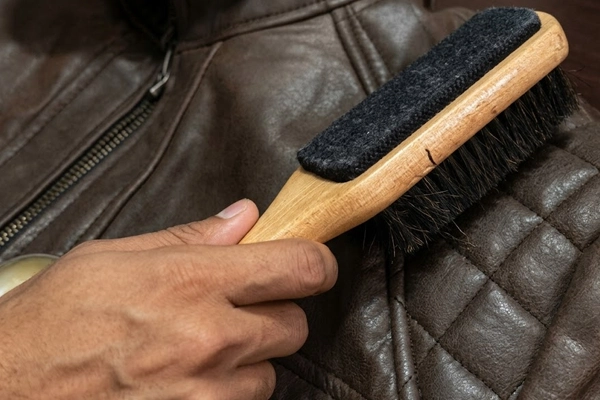
After tanning, each hide goes through a thorough cleaning phase. We prioritize hand-washing over machine processes to protect the integrity of the leather’s surface and texture. This is especially important for premium hides where even minor abrasion can affect the final finish.

The cleaning process involves:

  • Water washing — flushing out residual tanning agents and surface impurities
  • Dry cleaning select panels — used on more delicate leathers to lift surface oils without moisture damage
  • Drying — a carefully controlled process where tanning agents bond with collagen fibers as moisture evaporates, directly affecting the leather’s mechanical strength and softness
  • Polishing and buffing — the final step that brings out the leather’s natural sheen and prepares it for cutting

The way leather is dried has a measurable impact on how it feels, stretches, and holds up over years of wear — so we treat this step with the same care as any other.

Cleaning the Leather
Designing and Cutting

Step 5: Pattern Making, Cutting, and Stitching

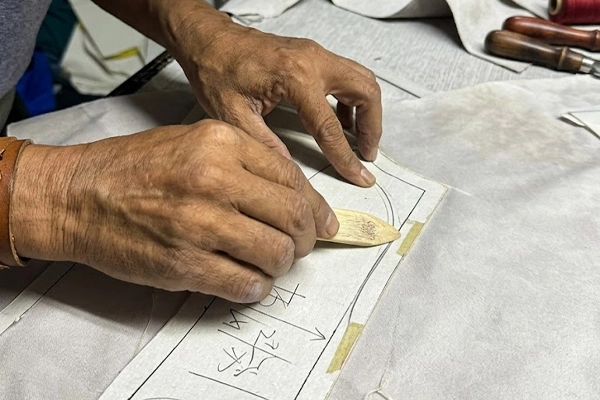
This is where raw material becomes a jacket. Our pattern-making team creates precise templates based on each jacket style — whether it’s a classic biker silhouette, a vintage bomber, a varsity design, or a celebrity-inspired piece.

Every pattern is sized to exact measurements, ensuring a consistent fit across our full size range. Once the pattern is confirmed, our cutters work panel by panel to get the most efficient and clean cuts from each hide.

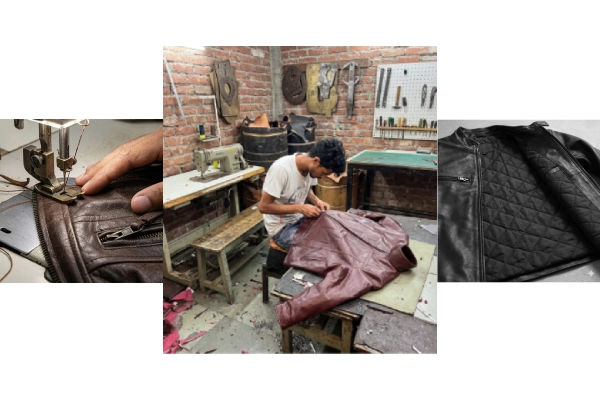
Stitching is handled by experienced craftsmen who balance machine efficiency with hands-on attention. We use auto-sewing machines for structural seams where consistency matters most, while hand-finishing techniques are applied to visible detailing — collars, cuffs, pocket edges, and zipper lines — to ensure a clean, refined look.

Our stitching philosophy is: functional where it needs to be, refined where it’s seen.

Step 6: Jacket Assembly and Design Details

Once panels are cut and primary stitching is complete, the jacket is assembled piece by piece. At this stage, design-specific elements are added — zip placements, snap buttons, belt loops, epaulettes, decorative stitching, or any custom features requested.

We work on a wide range of jacket styles including:

  • Celebrity-inspired styles — recreated with attention to silhouette, hardware, and finish
  • Bomber jackets — with ribbed cuffs and hem detailing
  • Varsity jackets — combining leather body with contrast wool sleeves
  • Classic biker jackets — asymmetric zips, lapels, and stud detailing

Each style goes through its own assembly checklist so nothing is missed during construction.

Jacket Assembly and Design Details
Step 7_ Inner Lining Installation

Step 7: Inner Lining Installation

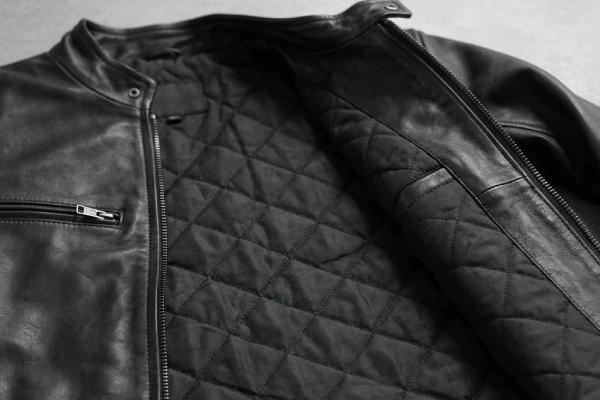
The inside of a jacket matters just as much as the outside. We use a smooth viscose lining across our jackets — selected for its breathability, skin-friendliness, and natural warmth retention.

The lining is cut to match the jacket’s interior dimensions precisely and stitched to sit flush without bunching or pulling. We ensure the lining is odorless and maintains its comfort properties even after repeated wear and cleaning.

Step 8: Final Quality Control

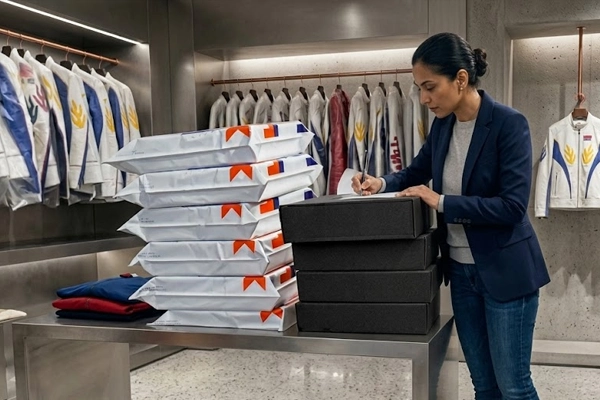
Before any jacket is approved for dispatch, it goes through a final quality assurance review. This is a full inspection from top to bottom — every seam, every stitch, every zipper pull and button closure.

Our QC team checks:

  • Seam strength and stitch consistency
  • Color accuracy and surface finish
  • Hardware function (zippers, snaps, buttons)
  • Collar, cuff, and pocket alignment
  • Overall silhouette against the original design reference
  • Size accuracy against our measurement specs

If anything falls short — even something minor — the jacket goes back for correction. We don’t dispatch until every box is checked.

Packaging & Dispatch
Quality Assurance

Step 9: Packaging and Dispatch

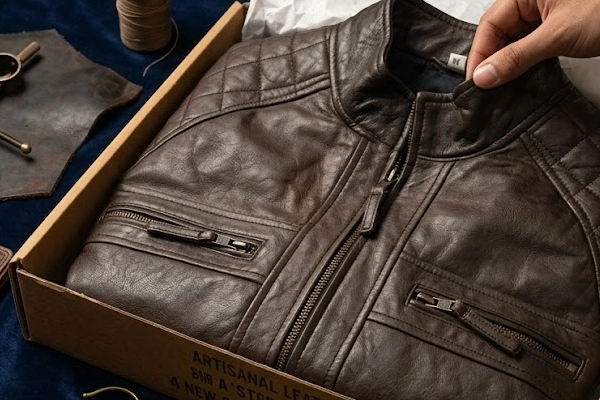
The final stage is packaging. We put the same care into how a jacket leaves our facility as we do into making it. Each jacket is folded or hung properly to prevent creasing, wrapped in protective materials, and packed in sturdy outer packaging built to handle international shipping conditions.

Our goal is simple: the jacket that arrives at your door should look exactly as it did when it left our workshop.

Contact Information

Company Name: Hypersys Ltd

Company No: 16245954

UK Office Address: 586B Green Lane, Seven Kings, Ilford, Essex, England, IG3 9LW

UK Number:  +44 7880 356527

Email: sales@blackleatherjacketera.com

Email: info@blackleatherjacketera.com

Business Hour: Monday – Friday, 9:00 AM to 6:00 PM

Response Time: We aim to respond within 4 - 5 Hours